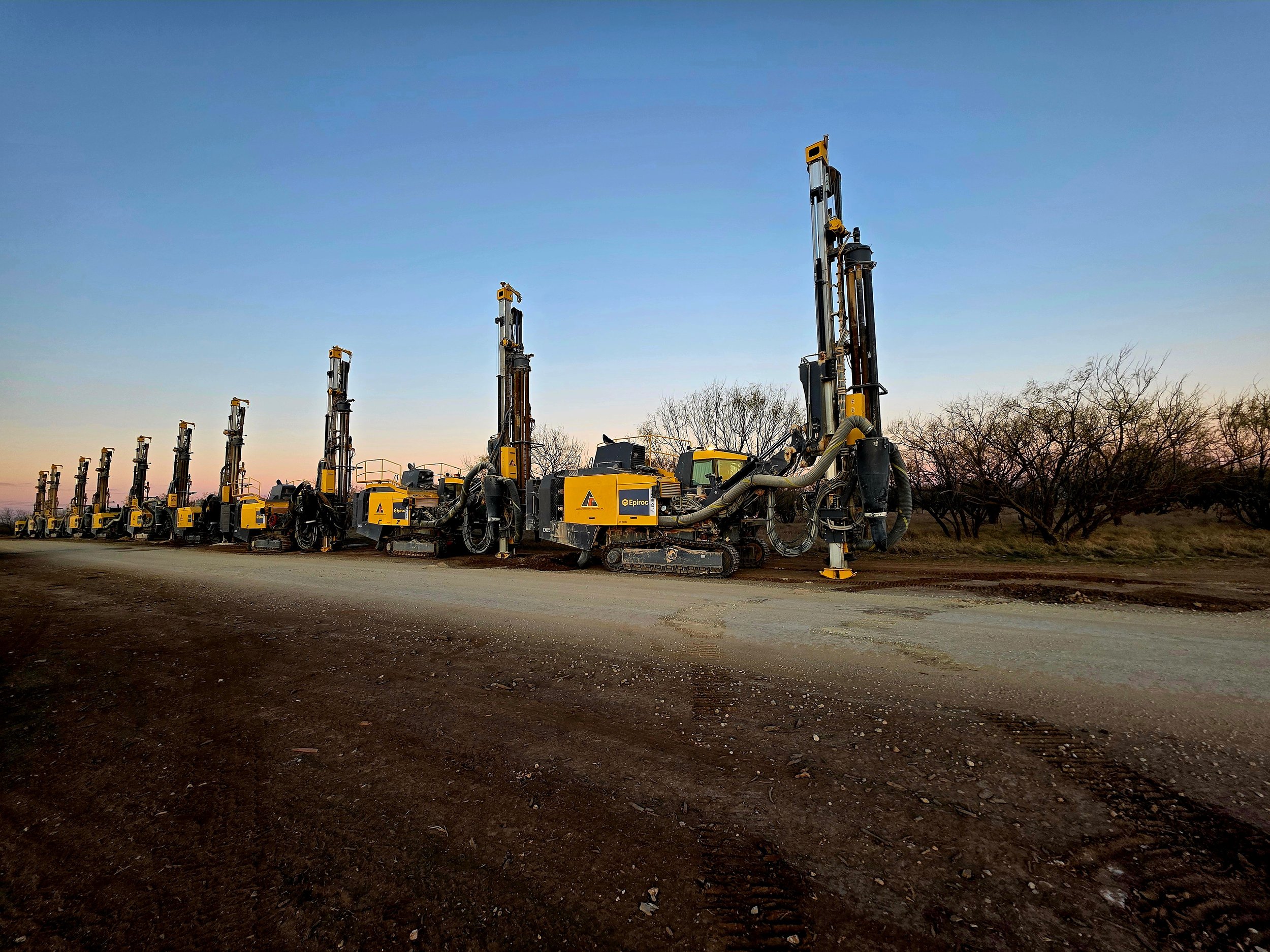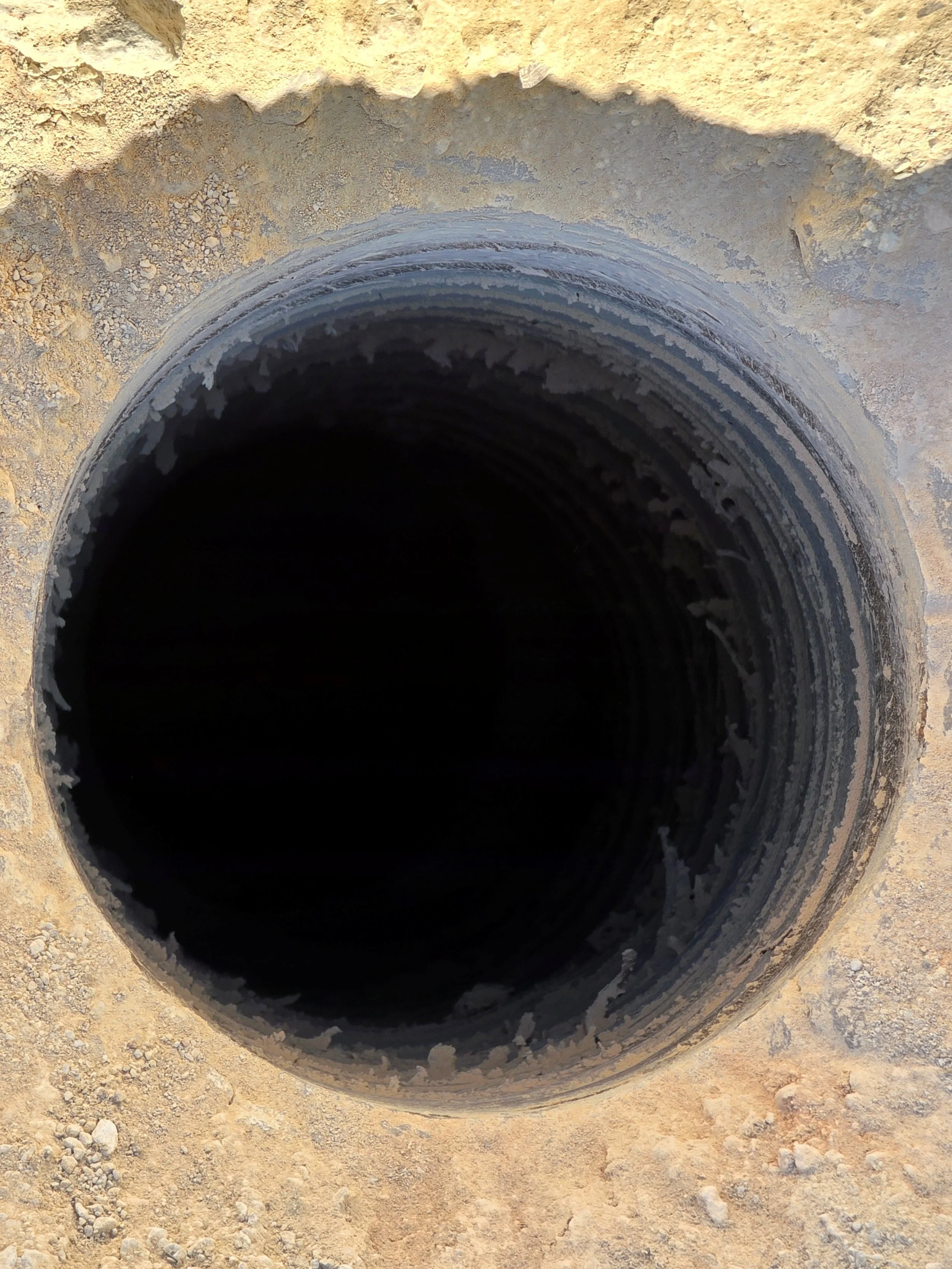

Physical work on foundations and piles is one of the most straightforward ways for utility‑scale solar projects to satisfy the IRS “beginning of construction” requirement for the Investment Tax Credit (ITC). Recent guidance emphasizes actual on‑site construction activity over purely financial steps, which makes pre‑drilling and pile work a critical lever for developers and EPCs to lock in tax credits.
What the Physical Work Test Means in Practice
The Physical Work Test focuses on when tangible construction work begins, not when contracts are signed or equipment is ordered. It looks at activities that are integral to the energy property, such as foundations, support structures, and electrical systems, rather than preliminary tasks like permitting, design, or basic site clearing. Work must be performed with the intent to complete the project as a functioning energy facility, not as a token or isolated activity.
For utility‑scale solar, foundation and racking work clearly qualifies as physical work, especially when it involves installing or preparing the structural supports that will hold the PV modules. Pile pre‑drilling, test programs, and production drilling that are directly tied to the final foundation design can all contribute to meeting this standard. The key is that the work is substantial, continuous in intent, and integral to the completed facility.
How Pile Pre‑Drilling Helps You Qualify
Pile pre‑drilling is a powerful tool for meeting the Physical Work Test because it converts planning into measurable, documented construction progress. When you begin drilling holes for production piles or structural test piles, you are clearly performing construction work on the project’s foundations. That activity is tied directly to the permanent structural system, making it easier to demonstrate that “construction has begun” under ITC rules.
Strategic sequencing of pile pre‑drilling allows developers to start physical work on a subset of the site—even if final module counts, DC/AC ratios, or interconnection details are still being refined. By targeting key arrays, critical-path areas, or representative zones, you can establish a clear start date while preserving flexibility to adapt the design as it evolves. Properly planned, this early work can satisfy the Physical Work Test without committing the entire project footprint on day one.
Designing a Pre‑Drill Program for ITC Compliance
A good ITC‑oriented pre‑drill program starts with identifying which portions of the project will be used to demonstrate the start of construction. That typically includes arrays near the point of interconnection, areas with known challenging ground conditions, or zones that are easiest to access early in the schedule. The drilling plan then defines the number of holes, depths, locations, and target dates required to clearly show substantial work has begun on the structural system.
Pre‑drilling should be closely coordinated with the geotechnical engineer and structural designer so that the work is clearly tied to the final foundation design. This might include test holes to confirm refusal depths, production pre‑drilling for piles in rock or refusal zones, or drilling for high‑load structures like inverter skids and BESS foundations. The more directly the work supports the permanent foundations, the stronger the ITC position.
Documentation and Evidence for the IRS
Physical work is only useful for ITC if you can prove it happened—and when it happened. That means treating pre‑drilling as a documented, auditable construction activity. Typical evidence includes daily field reports with hole counts, depths, and locations; time‑stamped photos showing rigs working on site; GPS or survey data tying drilled locations to the project layout; and invoices and timesheets that show dates, scope, and crew/equipment deployed.
Organizing this evidence into a concise “beginning of construction” file gives tax counsel, lenders, and investors confidence that the project meets the Physical Work Test. Clear documentation also helps distinguish qualifying work from preliminary activities like grubbing, fencing, or access road grading, which may not carry the same weight for ITC purposes if they are not integral to the energy property itself.
Coordinating With Tax, Legal, and EPC Teams
Using pile pre‑drilling to satisfy the Physical Work Test works best when tax, legal, and construction teams are aligned from the start. Tax advisors can clarify how much work and what types of activities they consider sufficient for the project’s ITC strategy. Legal teams can specify exactly what evidence they want in the file to withstand potential review. EPCs and construction managers can then sequence pre‑drilling and foundation work to hit those milestones without disrupting the wider schedule.
As the construction partner, Aggregate Resource Drilling, LLC can translate that strategy into an executable field plan: when to mobilize, which areas to drill first, how many holes and what depths are needed, and how to capture all the necessary documentation. By doing so, you turn pile pre‑drilling into a deliberate ITC tool—not just a geotechnical necessity.